Skip to content
Use Code "FIRST20" at checkout to get 20% OFF today!
NO ANIMAL TESTING
FREE SHIPPING ON ALL U.S. ORDERS OVER 49$
100% Natural & Organic Body Butters for Hydrated, Healthy Skin
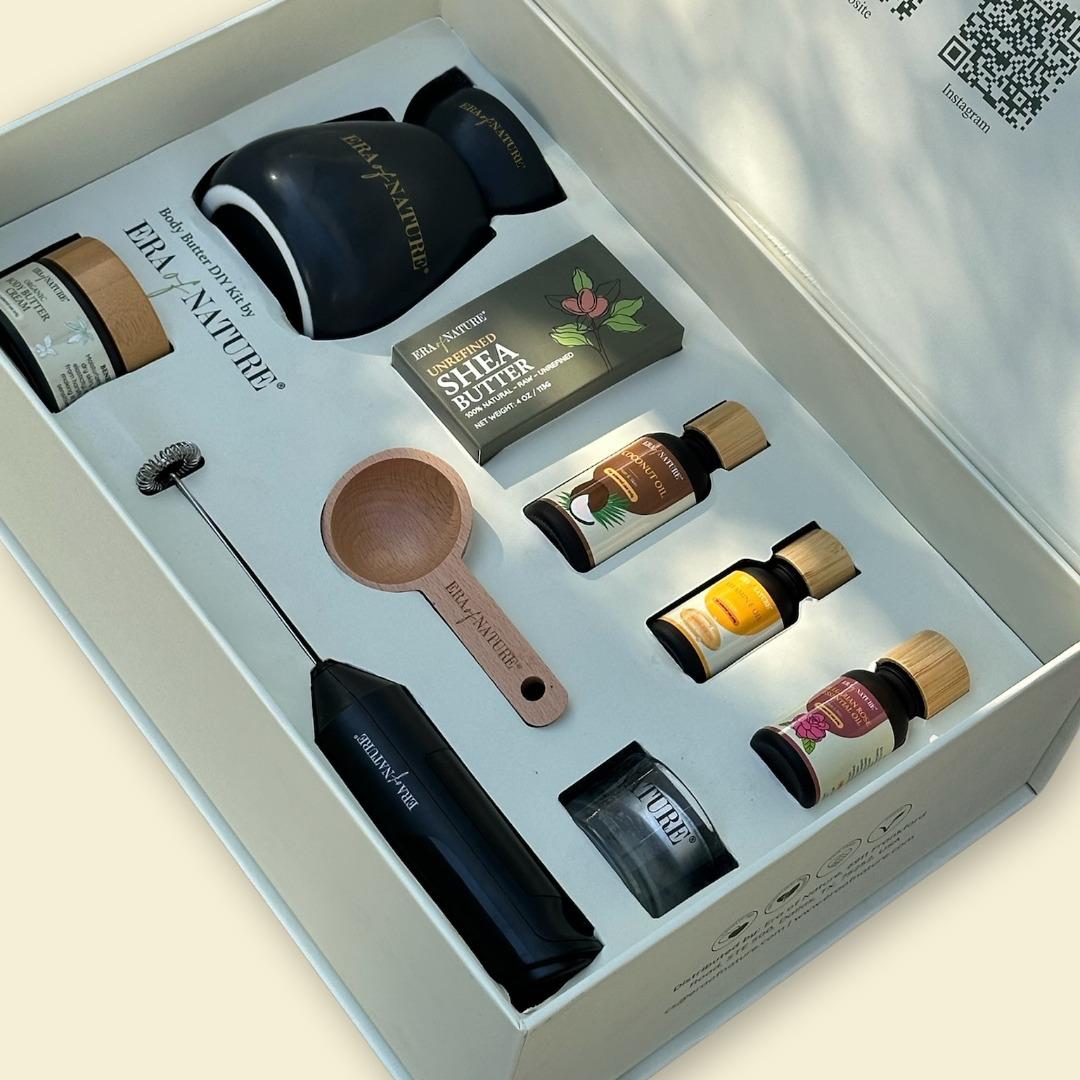
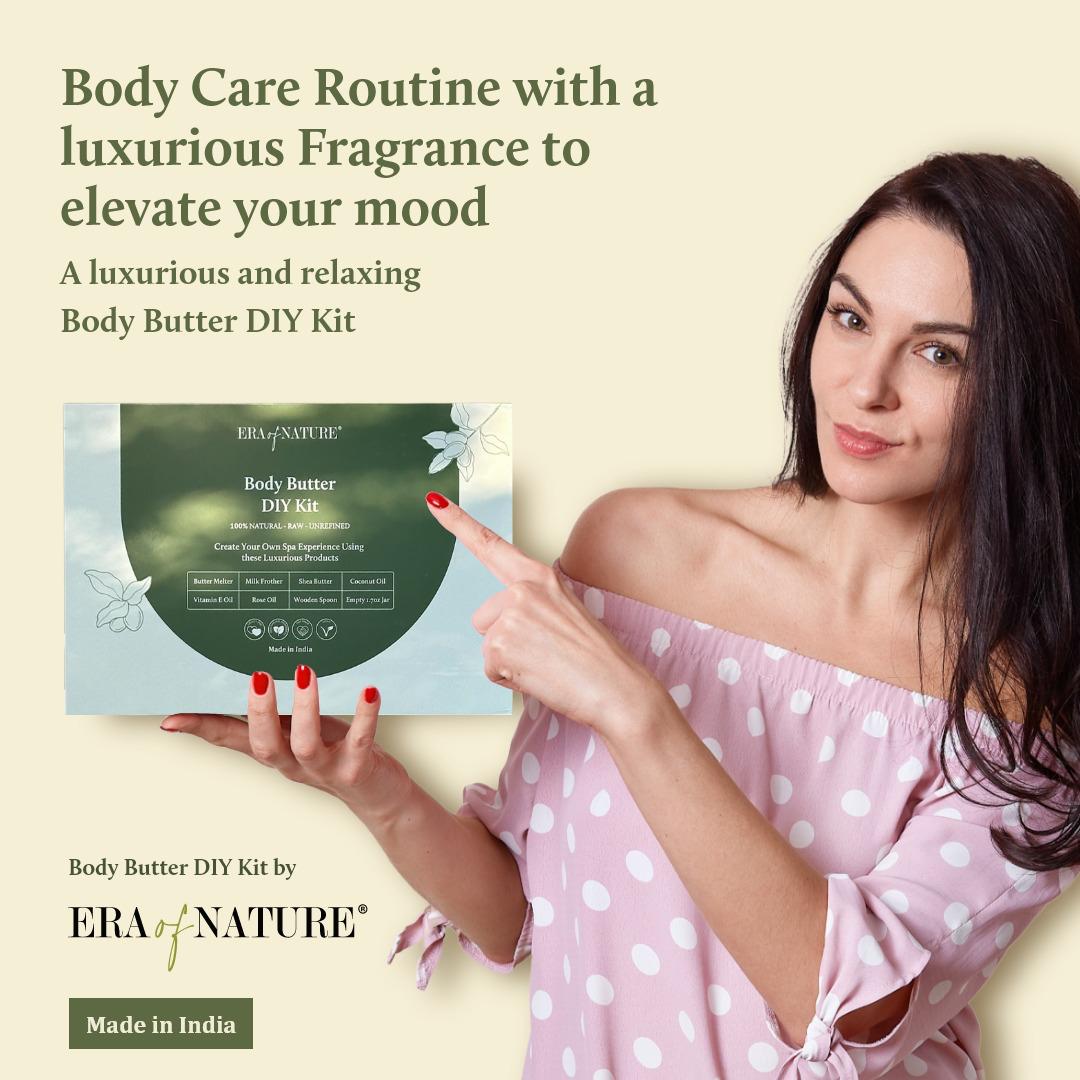
Body Butter DIY KIT
Request A Quote
3.9
Rated 3.9 out of 5 stars
18 Reviews
Regular price $99.99
Sale price $99.99 Regular price
Request A Quote
4.2
Rated 4.2 out of 5 stars
25 Reviews
Regular price From $24.99
Sale price From $24.99 Regular price $21.99
Subscribe & Save 20%
Request A Quote
4.2
Rated 4.2 out of 5 stars
13 Reviews
Regular price From $15.99
Sale price From $15.99 Regular price $13.99
Request A Quote
4.4
Rated 4.4 out of 5 stars
105 Reviews
Regular price From $12.95
Sale price From $12.95 Regular price
Subscribe & Save 20%
Request A Quote
Regular price From $15.99
Sale price From $15.99 Regular price
Request A Quote
4.6
Rated 4.6 out of 5 stars
14 Reviews
Regular price From $14.99
Sale price From $14.99 Regular price
Collection: 100% Natural & Organic Body Butters for Hydrated, Healthy Skin

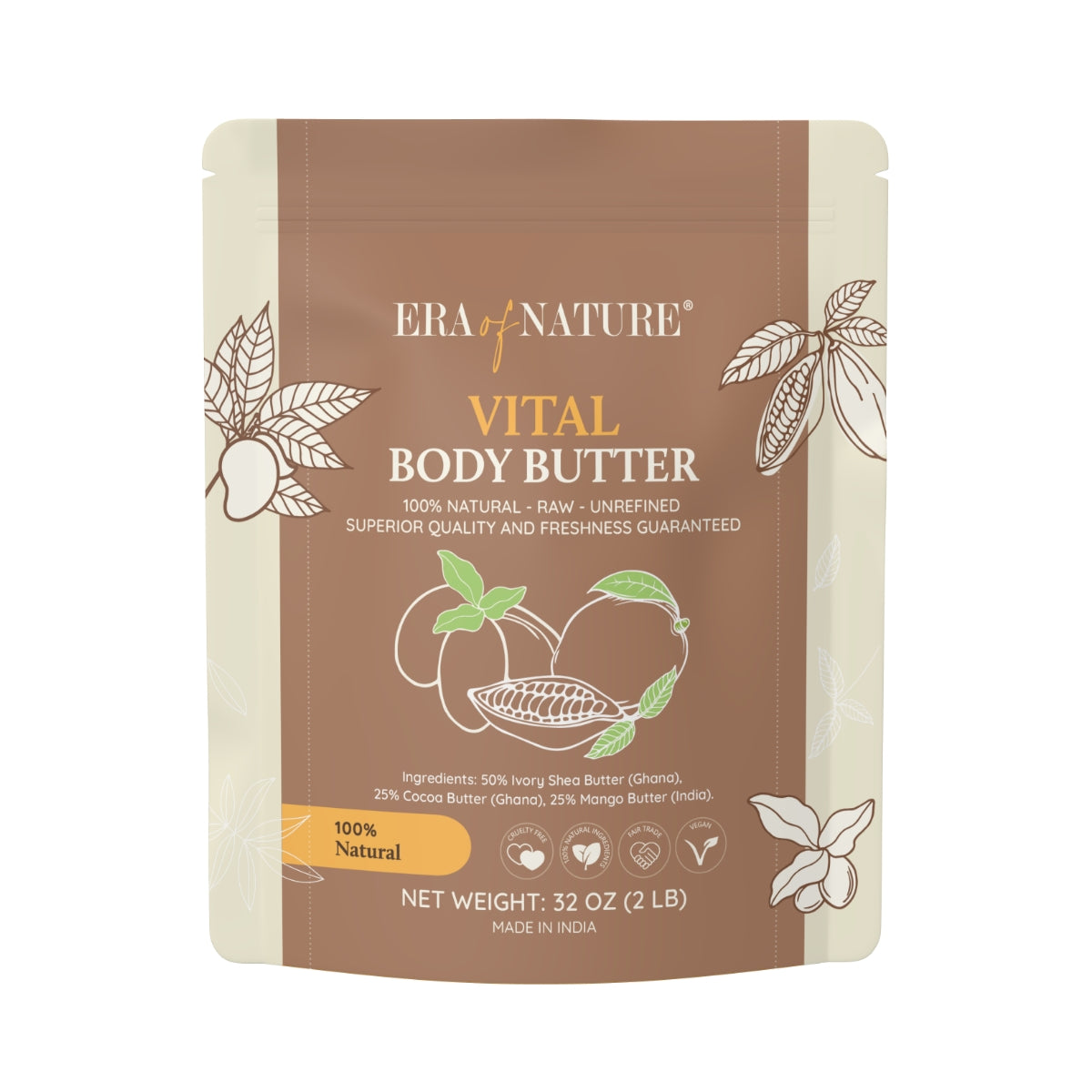
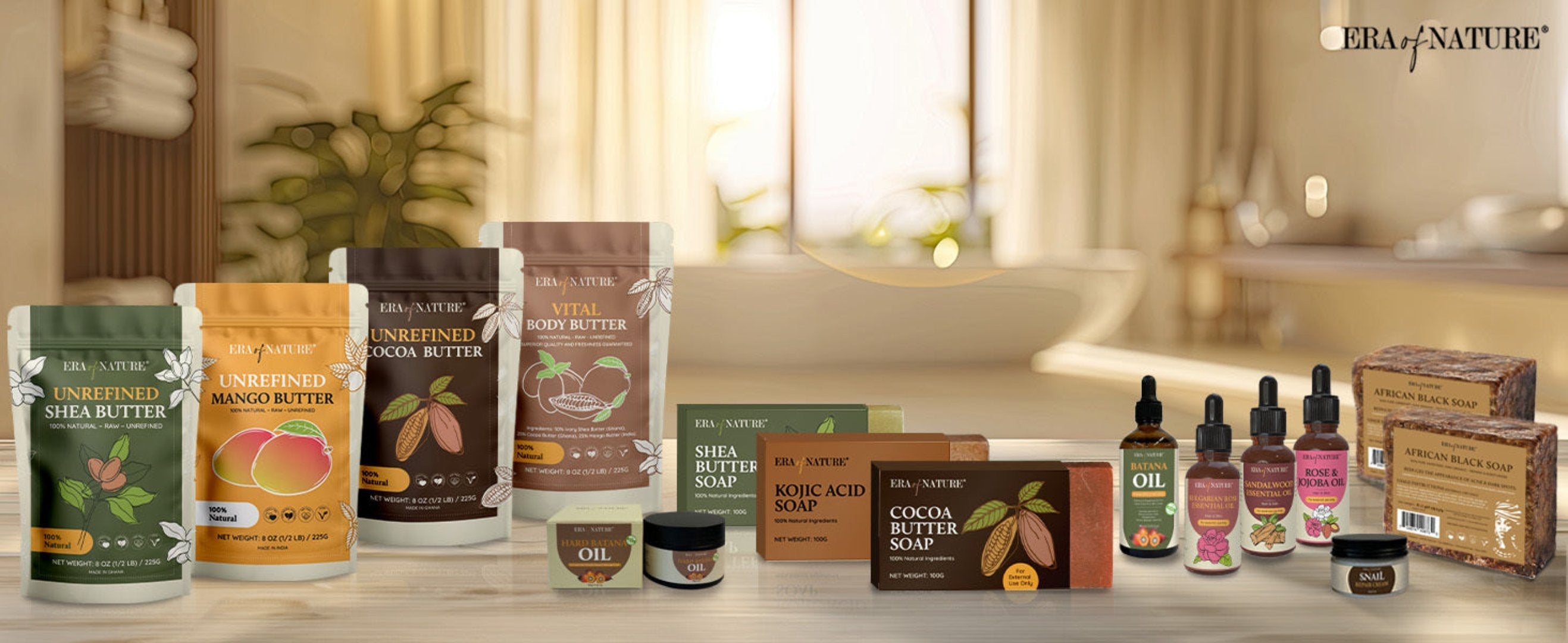
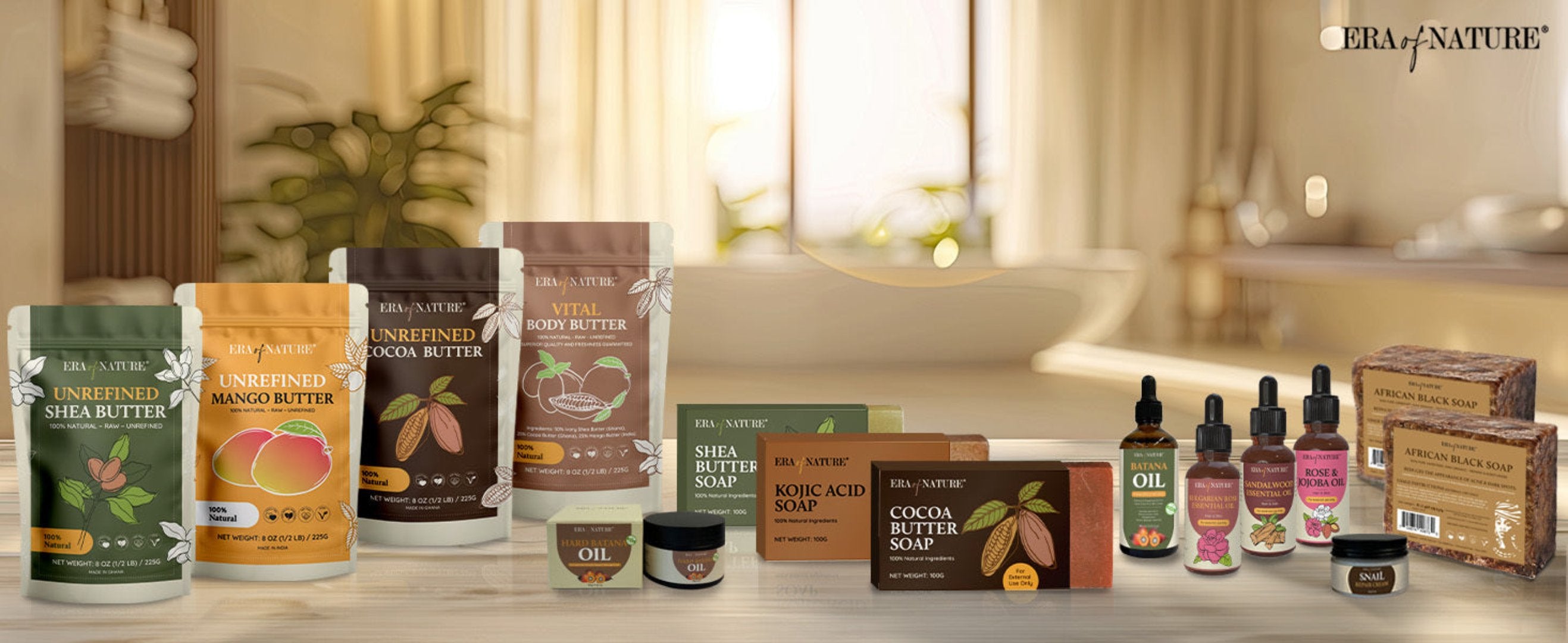
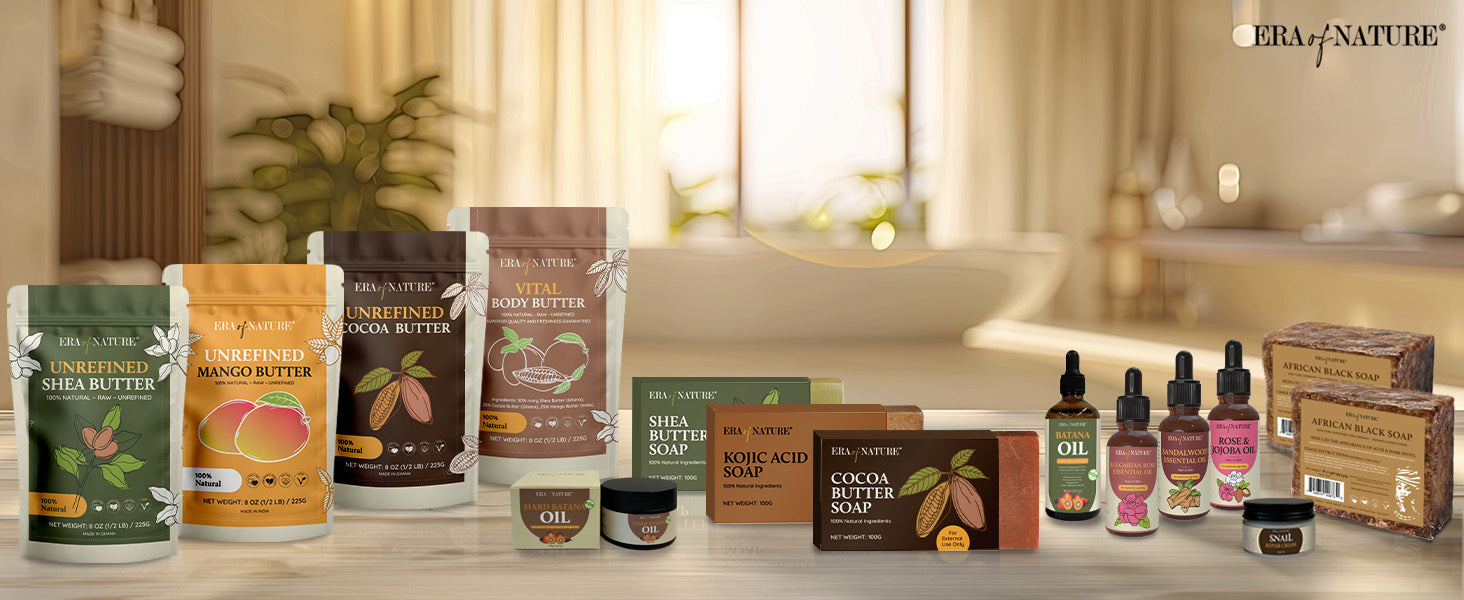
Explore raw plant butters for direct skin care, hair care, and homemade cosmetic formulas. The collection includes mango, cocoa, kokum, and raw unrefined African shea butter.

Each body butter has a different texture and feel. Some soften quickly in the hands and work well as a daily moisturizer. Others stay firm at room temperature and add structure to balms, soaps, and lotion bars.

Use them on their own or combine them with suitable oils when making creams, body butters, and other personal care products.

What Is Body Butter?

Body butter is a concentrated, oil-based moisturizer made from plant fats. Unlike a regular body lotion, raw butter doesn’t usually contain water. This gives it a thicker texture and a richer feel on the skin.

A small amount warms and softens between the hands. It can then be spread over dry areas to help reduce moisture loss and leave the skin feeling softer.

Raw butter is different from whipped body butter or body cream. Whipped products may contain several butters, carrier oils, fragrance, or other ingredients. A raw butter is usually sold as a single cosmetic ingredient that can be used directly or added to a formula.

The heavier texture makes a natural body moisturizer especially useful for hands, feet, elbows, knees, and other areas that often feel rough or dry.

How to Choose the Right Body Butter

The best option depends on how you plan to use it. Texture, aroma, firmness, and melting behavior vary between plant butters.

  • Choose a softer butter for direct application or a smooth hair and skin blend.
  • Choose a firmer butter when making balms, lotion bars, soaps, or products that need more structure.
  • Look at the complete ingredient information if you have sensitive skin or want to avoid added fragrance.
  • Start with a small amount. Rich butters can feel heavy when too much is applied.

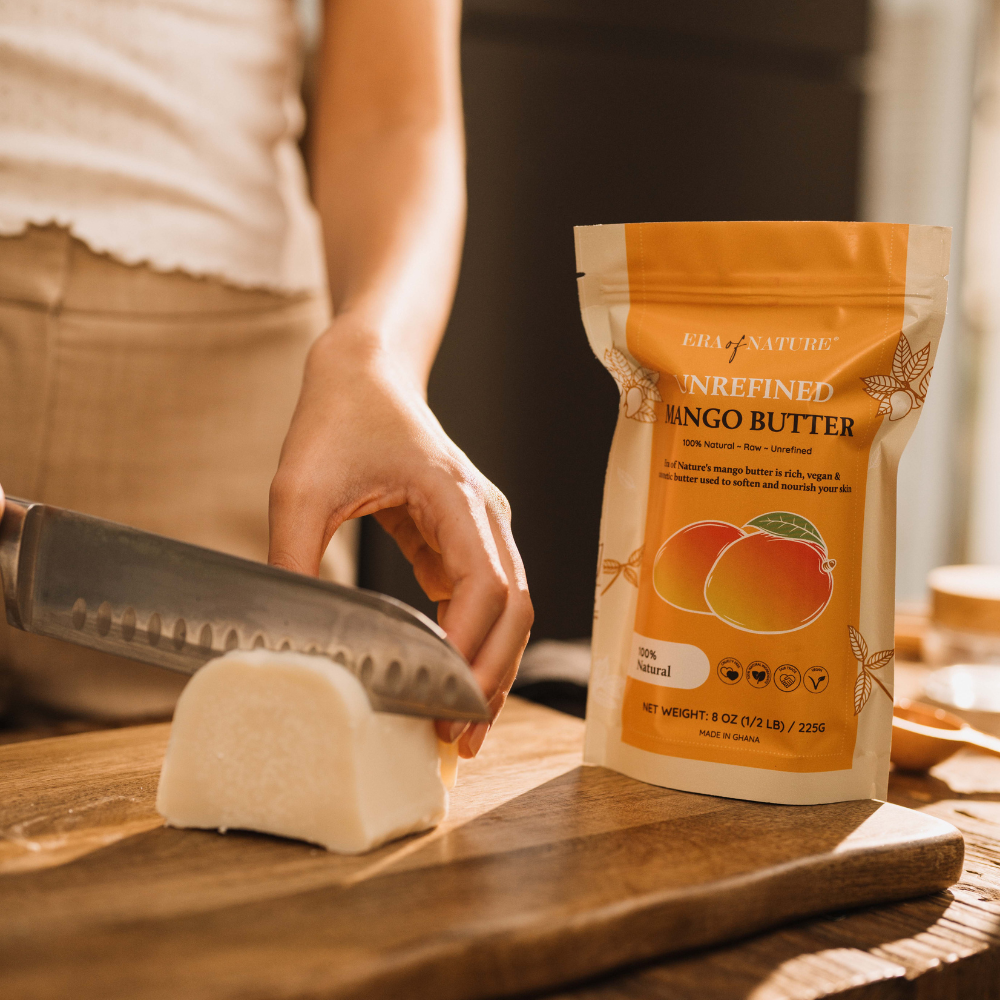
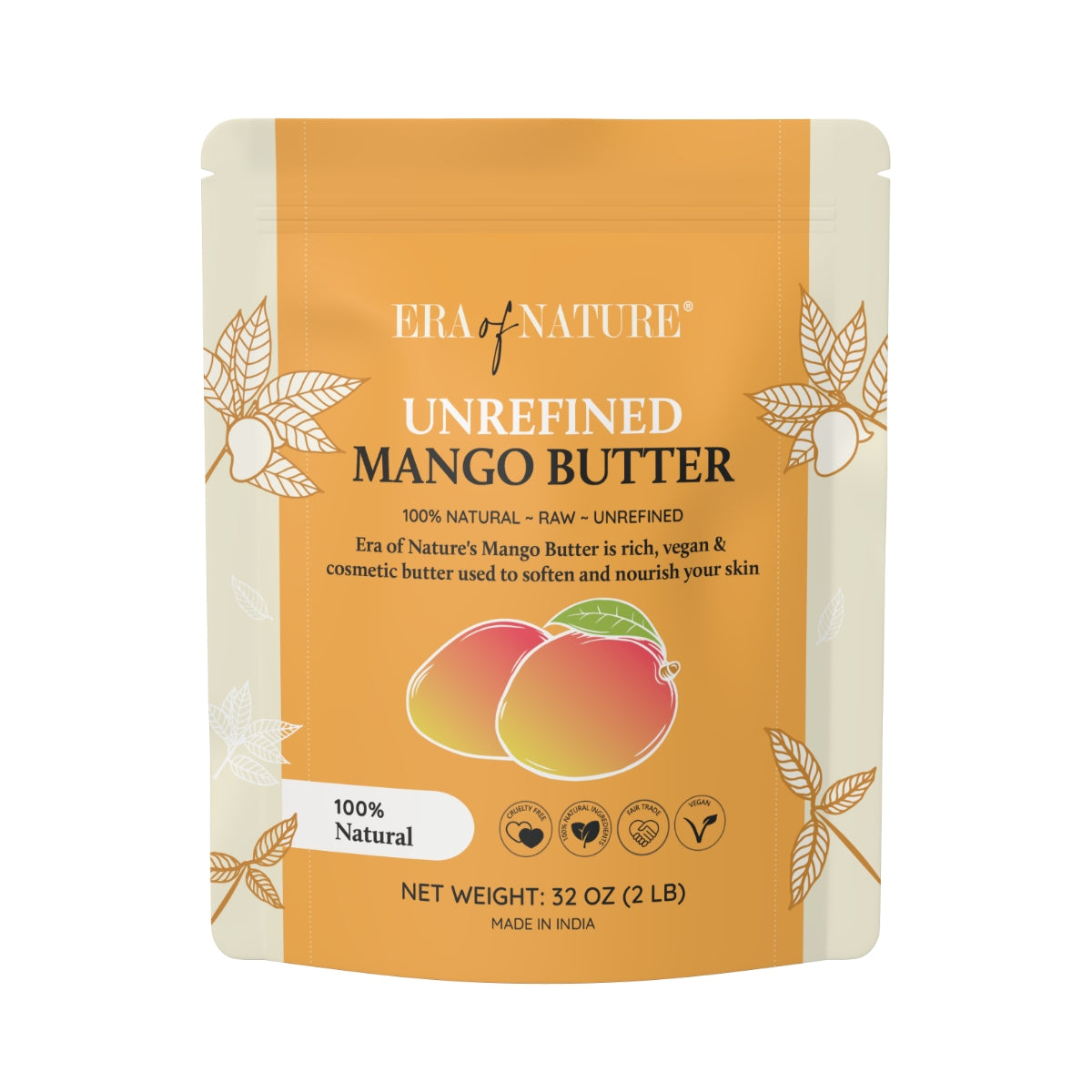
Mango Body Butter

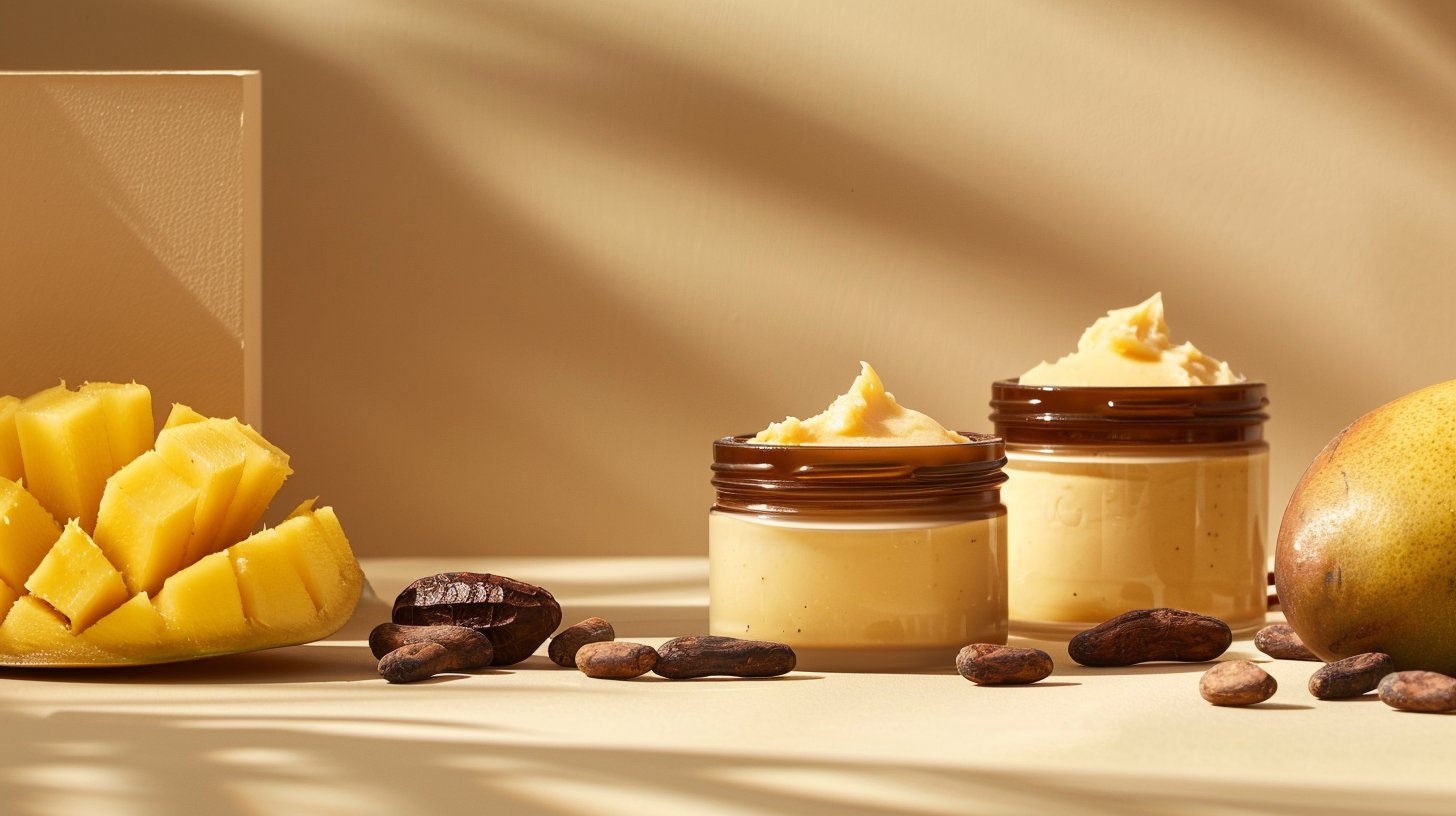
Mango body butter has a smooth texture and a relatively light feel compared with denser cosmetic butters. It softens easily when warmed in the hands and can be applied to dry skin or hair ends.

It also works as a base for body creams, hair butters, balms, and homemade blends. Its milder natural aroma makes it easier to combine with other cosmetic ingredients.

Cocoa Body Butter

Cocoa body butter is firm at room temperature and has a noticeable natural cocoa aroma. It melts when warmed and leaves a rich layer on the skin.

Its firmness makes it useful in soaps, balms, lotion bars, and other products that need to hold their shape. For direct skin use, warm a small piece between your hands before applying it.

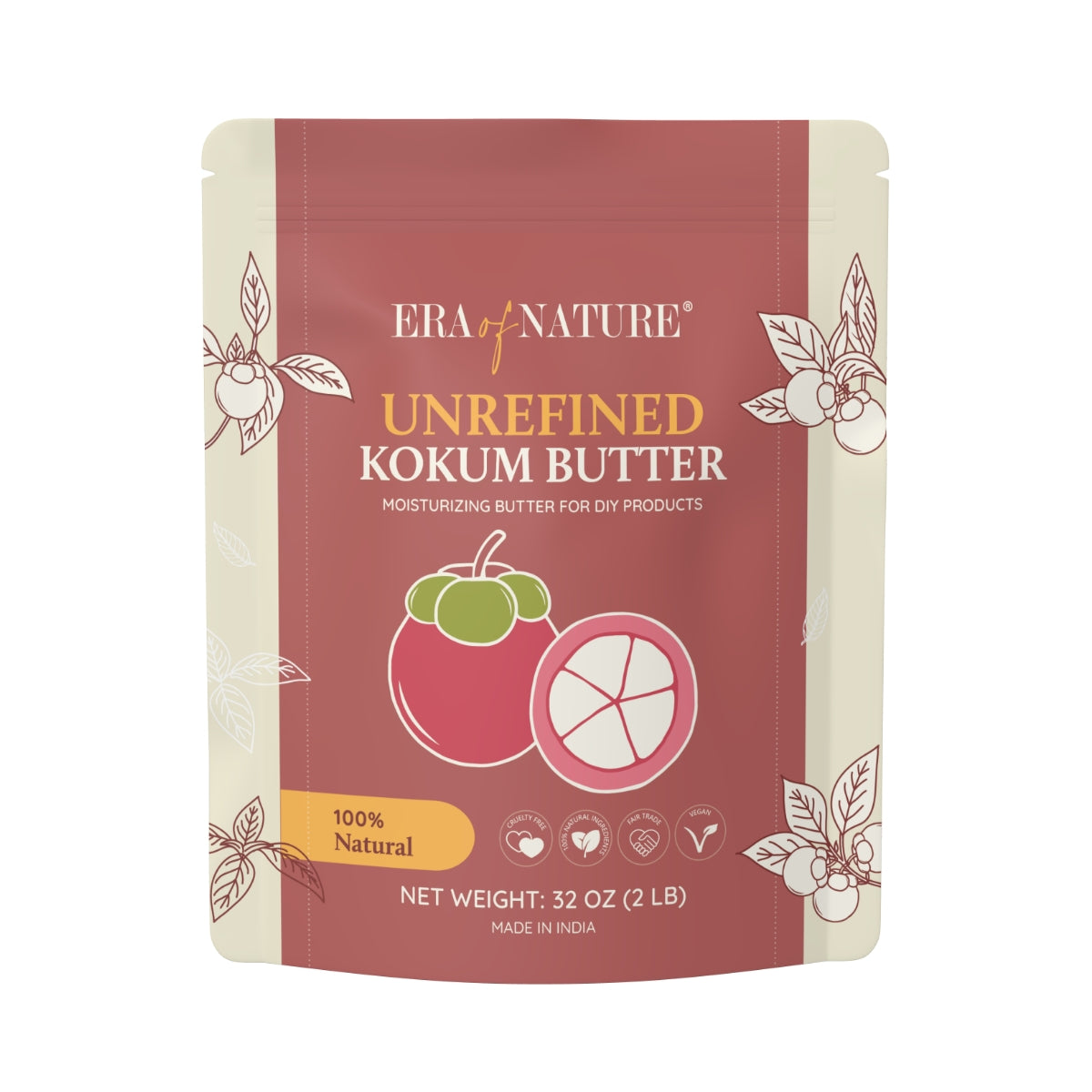
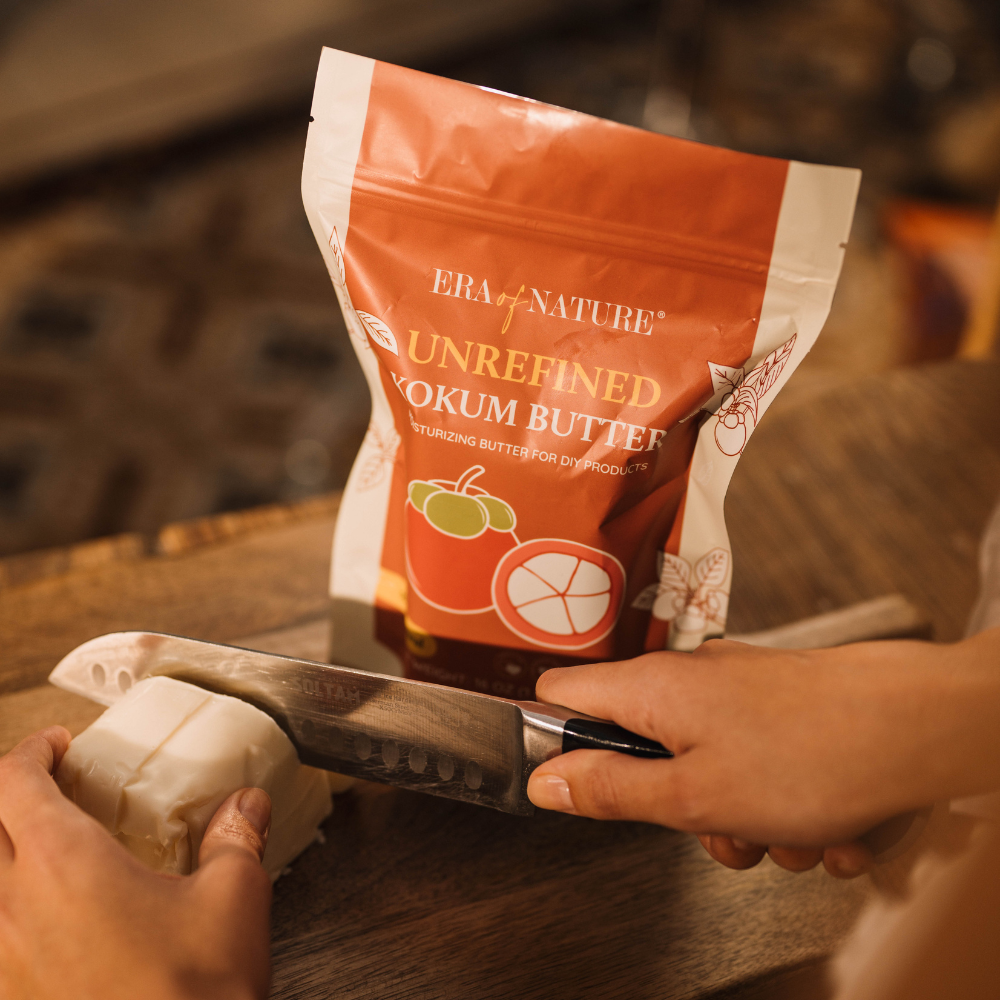
Kokum Body Butter

Kokum butter is one of the firmest options in the collection. It can add structure to balms, bars, creams, and other anhydrous formulas without making them overly soft.

For direct application, warm a small amount before spreading it over the skin. Its dense texture works well on dry hands, feet, elbows, and knees.

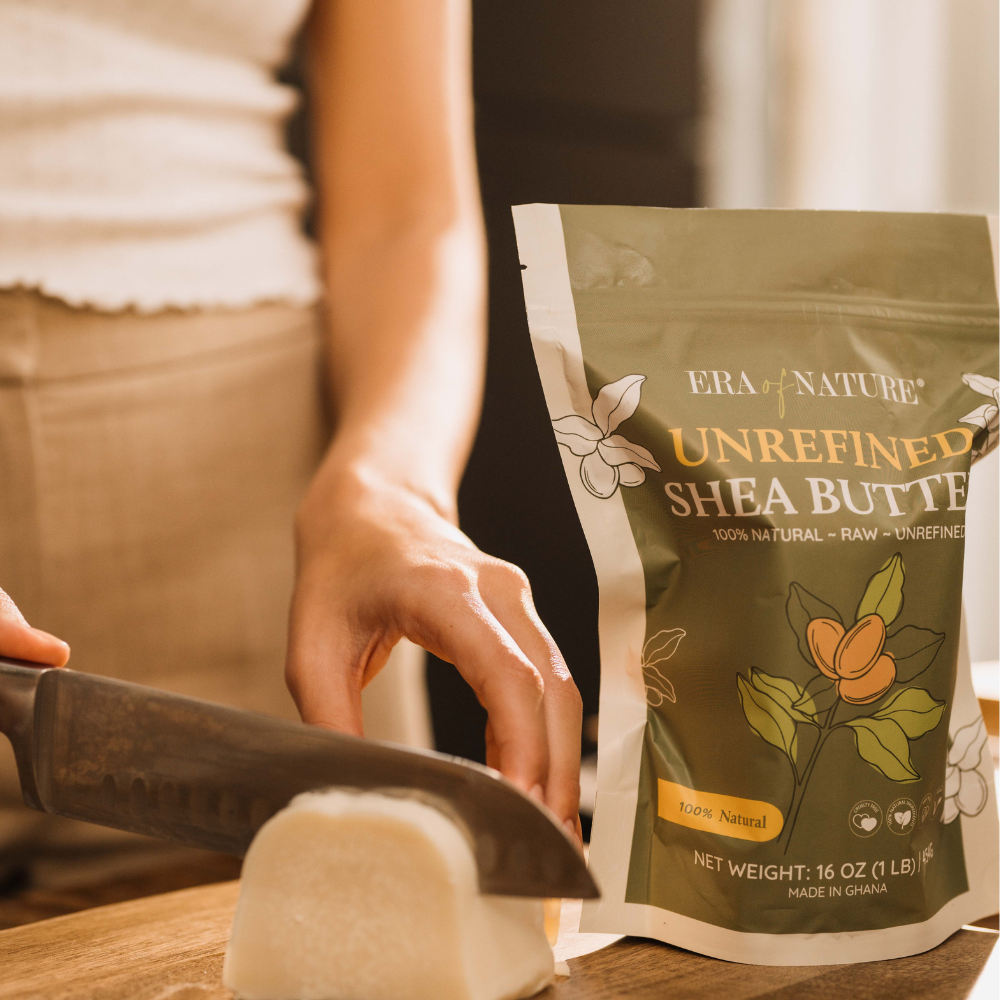
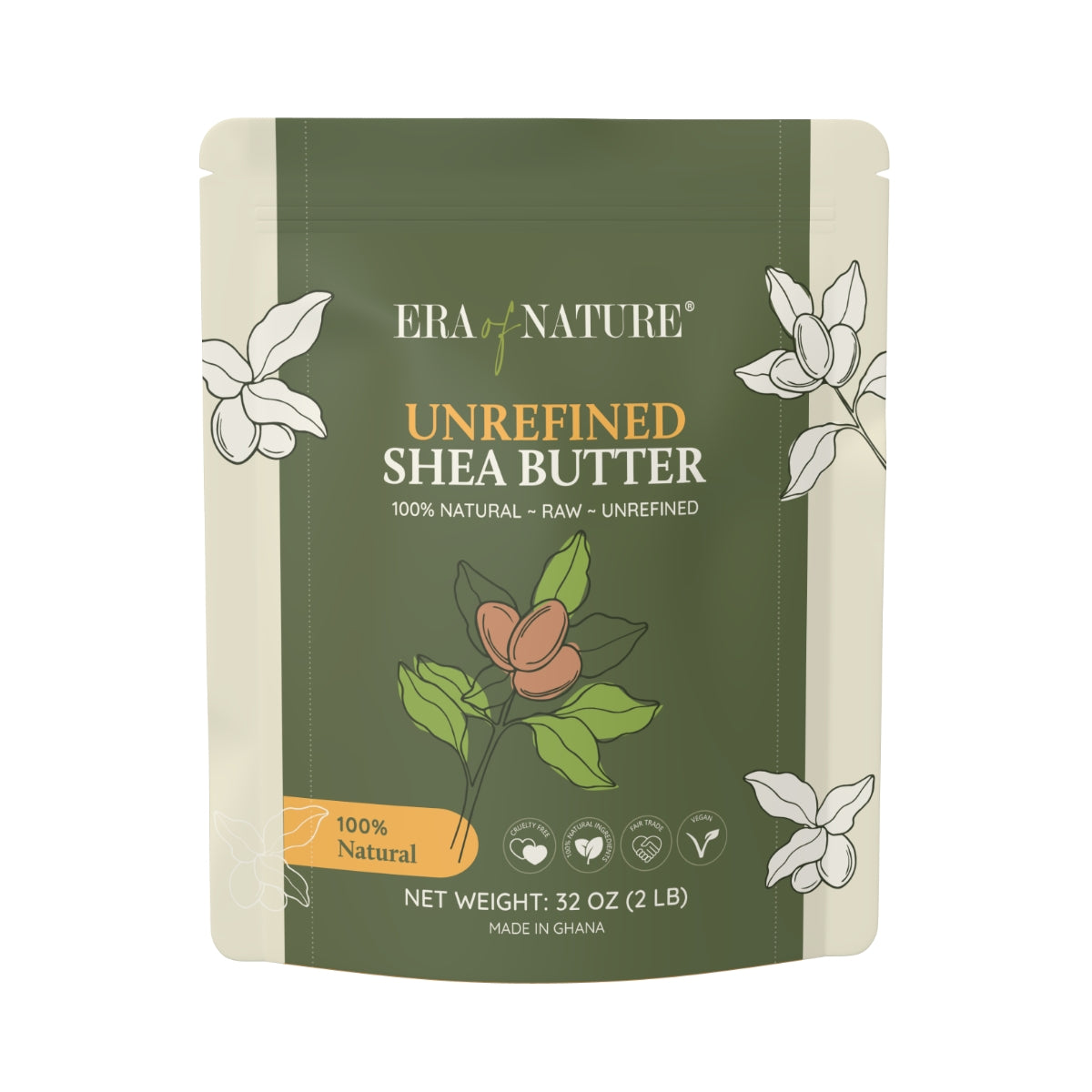
Raw Unrefined African Shea Butter

Raw unrefined African shea body butter keeps its natural color, aroma, and texture. It is firm at room temperature but softens quickly with body heat.

It can be used as a body butter moisturizer, applied to dry areas, or added to hair products, soaps, creams, and balms. Because it is minimally processed, natural differences in color, scent, and texture may occur between batches.

How to Use Body Butter for Dry Skin

Start with clean or slightly damp skin. Take a small amount of butter and warm it between your palms until it softens.

Massage it into areas that need more moisture. Concentrate on the hands, feet, elbows, knees, and other rough patches. Applying it after a shower can help seal in the moisture already on the skin.

A small amount is usually enough. Adding more doesn’t always improve the result and may leave the skin feeling greasy.

For daytime use, apply a thin layer and allow it to absorb before getting dressed. For a heavier routine, use it before bed on areas that tend to become very dry.

Anyone looking for a body butter for sensitive skin should check the full product information and complete a patch test first. Stop using the product if redness, burning, or irritation develops.

Body Butters for DIY Skin and Hair Care

Raw cosmetic butter can be used alone or as a base for simple skin and hair products. Its texture can be adjusted by blending it with another butter or a suitable carrier oil.

Common uses include:

  • body butter and body cream formulas;
  • soaps, lotion bars, and massage bars;
  • lip, hand, foot, and body balms;
  • hair butter, conditioner, and pre-wash blends;
  • products made for dry elbows, knees, heels, and hands.

Mango, cocoa, kokum, and shea butter behave differently when heated and cooled. Make small test batches before producing a larger amount.

Use low heat when melting raw butter. Avoid overheating it, as excessive heat may affect its natural texture. Let the finished blend cool fully before judging its final consistency.

Carrier oils may be added to create a softer texture. Essential oils should only be used in skin-safe amounts and according to the supplier’s dilution guidance. They shouldn’t be applied undiluted.

Available Sizes and Bulk Orders

Personal-use and larger sizes may be available depending on the selected product. Open the individual product page to check the current size options, price, and availability.

Businesses that need bulk quantities for cosmetic production, retail, or product development can request a current quote. Include the type of butter, required quantity, intended use, and delivery location in the request.

Availability, packaging, minimum quantities, and fulfillment terms may vary. These details should be confirmed before placing a wholesale order.

Frequently Asked Questions

What is body butter used for?

Body butter is used to moisturize dry skin and soften rough areas such as the hands, feet, elbows, and knees. Raw plant butter can also be added to soaps, balms, creams, hair products, and other cosmetic formulas.

How is body butter different from lotion?

Lotion normally contains water and has a lighter texture. Raw body butter is oil-based, thicker, and more concentrated. It usually takes longer to absorb and leaves a richer layer on the skin.

Which body butter is best for very dry skin?

Shea and cocoa butter both have rich textures that work well on very dry areas. Mango butter feels somewhat lighter, while kokum butter is firmer. The best choice depends on the texture you prefer and whether you plan to apply it directly or use it in a formula.

Can body butter be used on hair?

Yes. A small amount can be applied to dry ends or used in hair butter, conditioner, and pre-wash formulas. Start with a small amount, especially on fine hair, as rich butter may feel heavy.

Can raw body butter be used in DIY cosmetics?

Yes. Raw plant butters are commonly used in balms, soaps, lotion bars, creams, and hair products. Test the formula in a small batch and follow safe usage guidance for every added ingredient.

How should body butter be stored?

Keep it tightly closed in a cool, dry place away from direct sunlight and heat. Natural butter may soften or melt in warm conditions and become firm again when cooled. Changes in texture caused by temperature don’t always mean the product has spoiled.