

African Black Soap
 Dermatologist Tested
 Gentle Scent
 Cruelty Free
 Irritation Relief


224 in stock
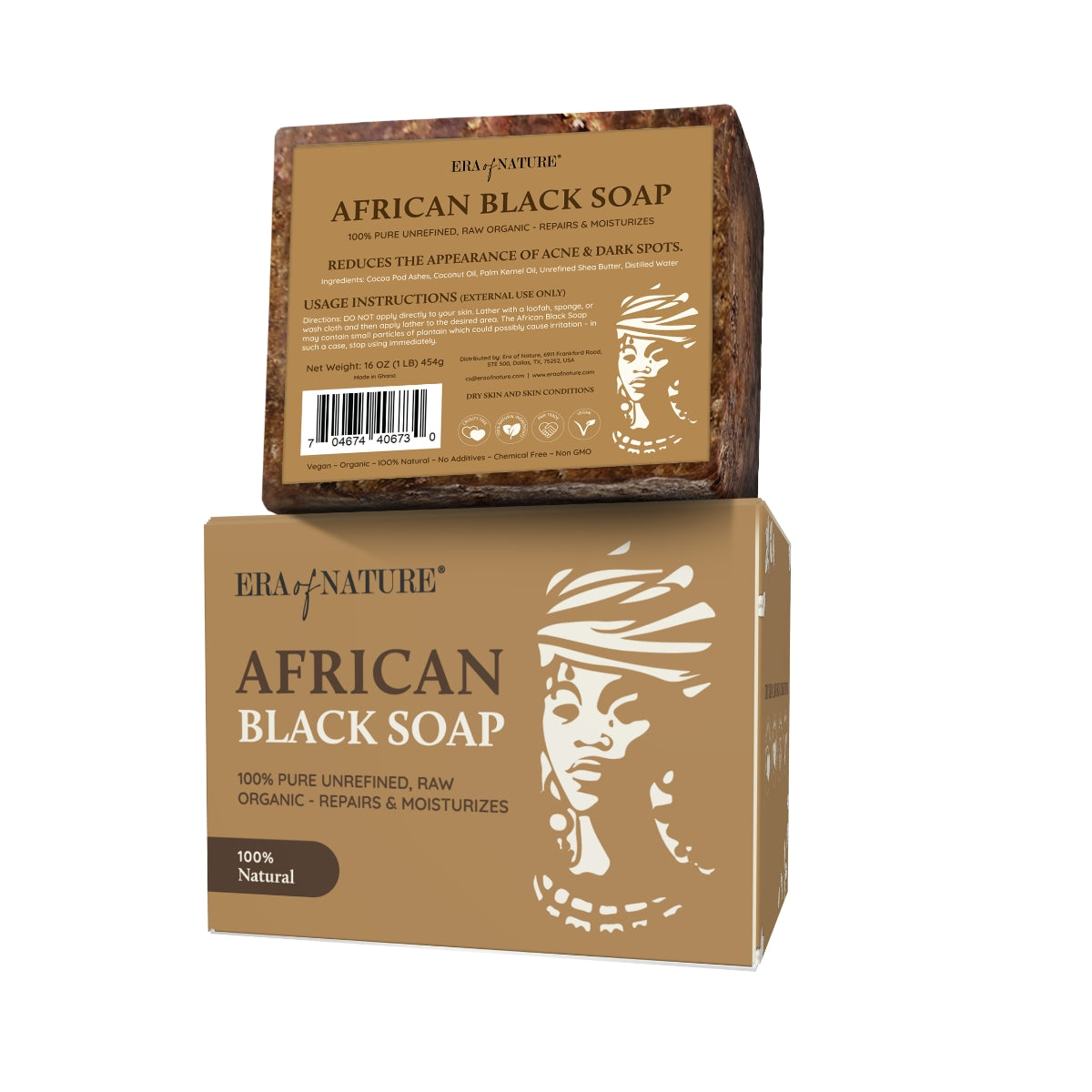
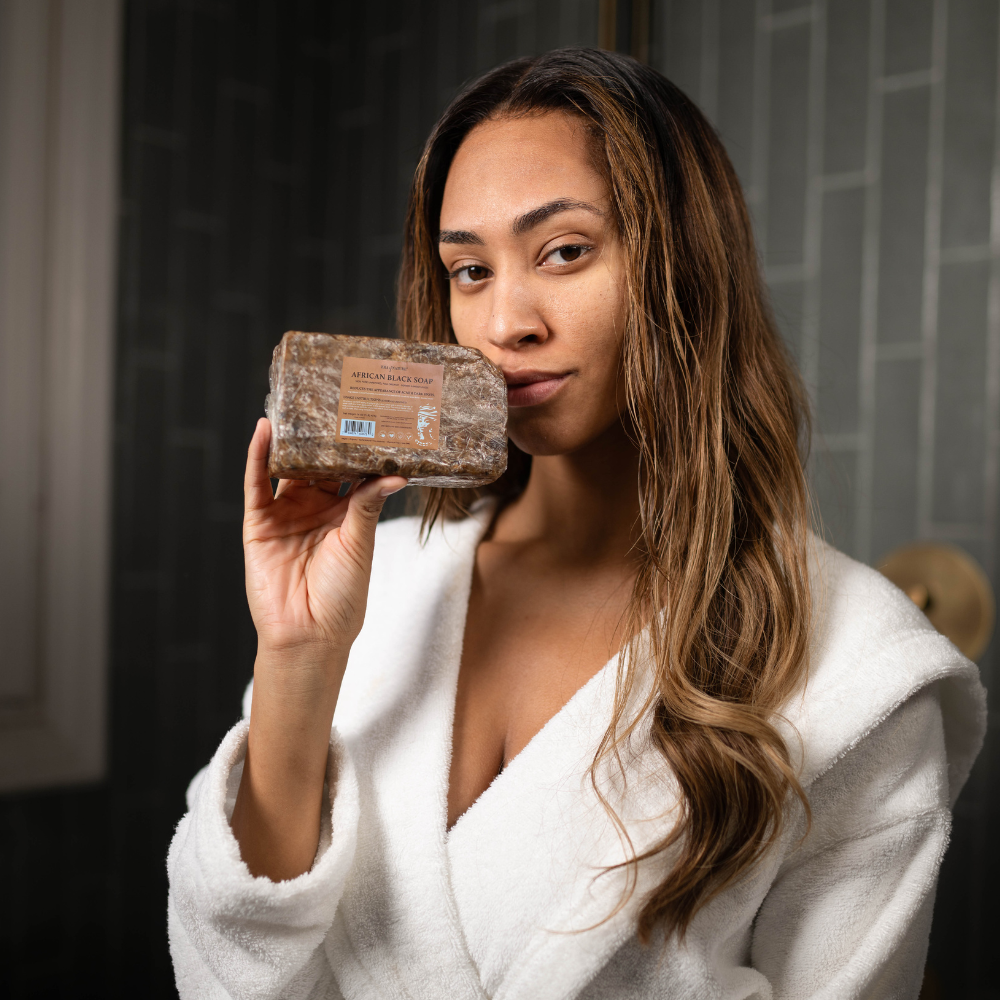
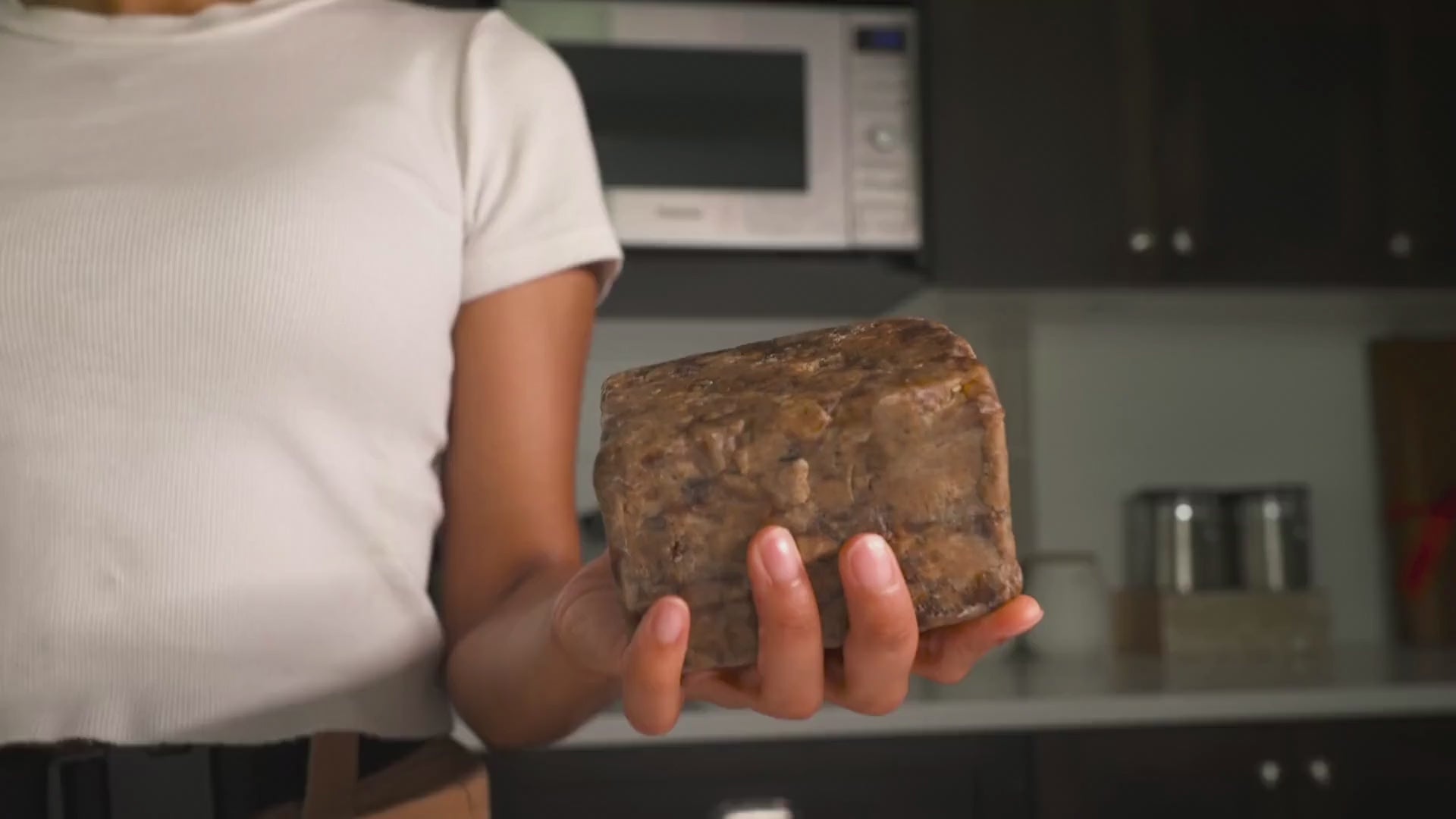
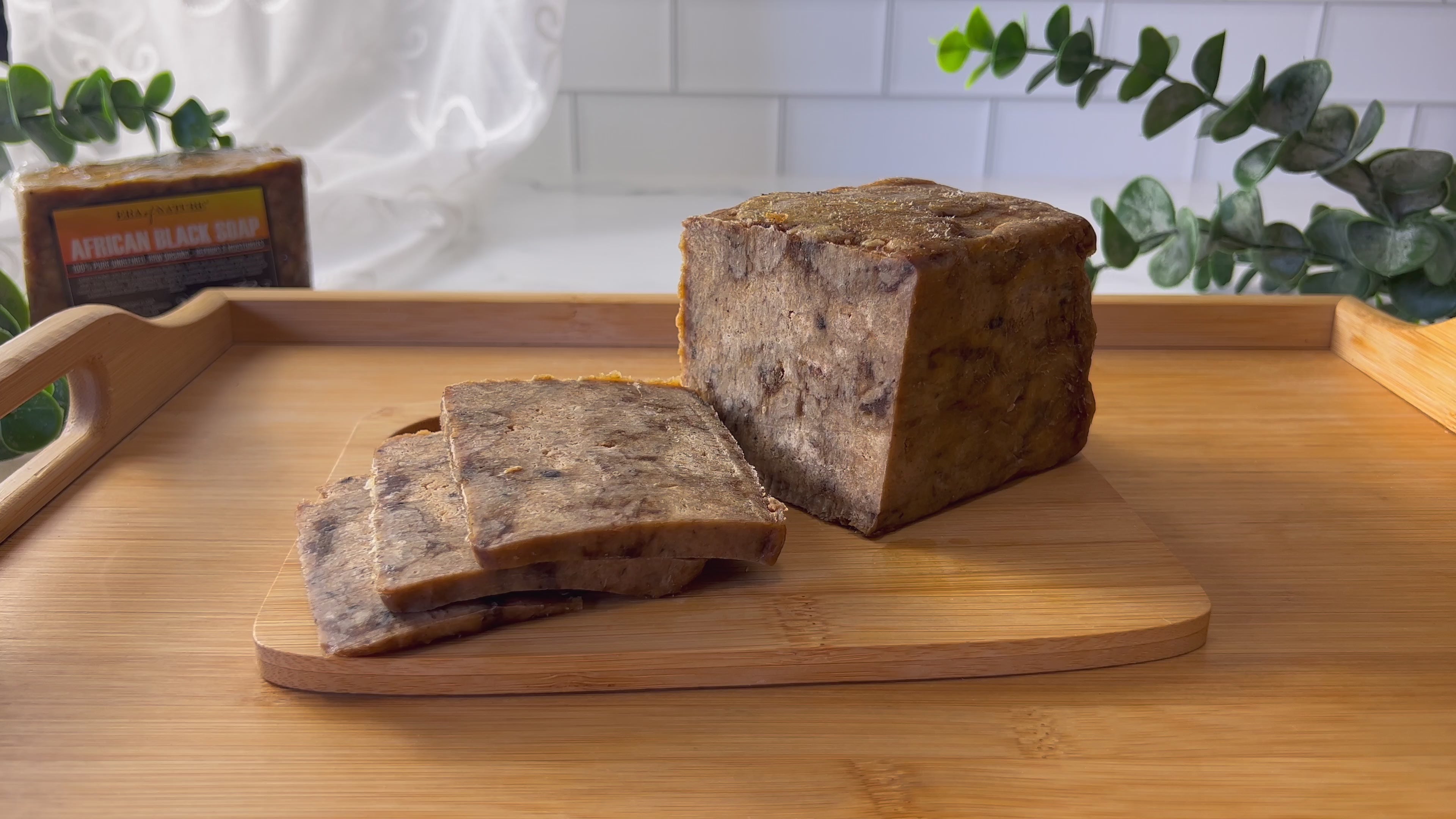
Era of Nature African Black Soap is a traditional cleansing soap handcrafted in Ghana with cocoa pod ashes, coconut oil, palm kernel oil, unrefined shea butter, and distilled water. Its dark color, uneven surface, and raw texture are normal characteristics of this type of soap and can vary slightly from batch to batch.
The formula is fragrance-free and made for simple face and body cleansing. Because raw African black soap can feel stronger than a standard cleansing bar, it is better to start slowly and adjust use based on how your skin feels.
What Is African Black Soap?
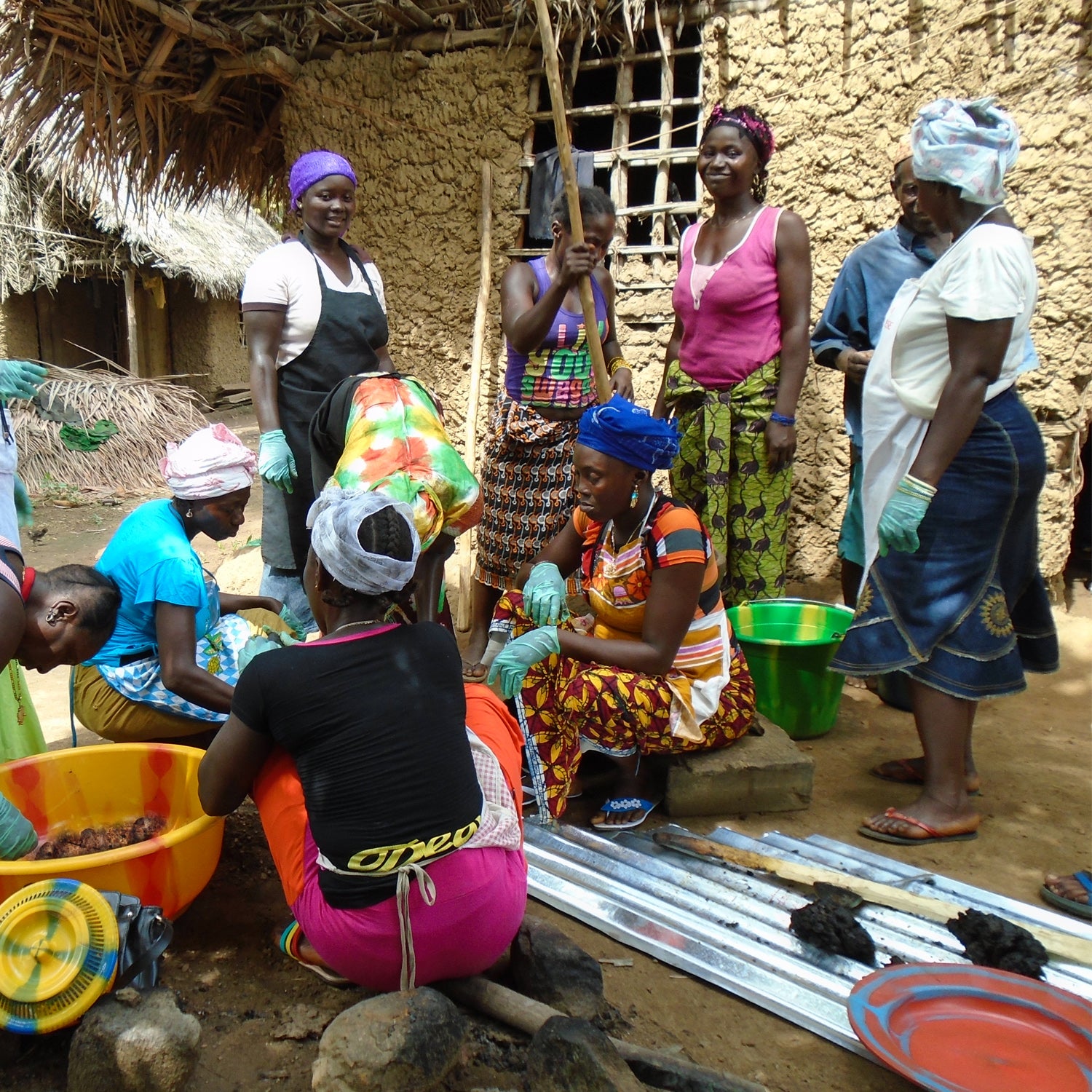
African black soap is a traditional West African soap made by combining plant-derived ash with oils and butters. The result is usually darker and less uniform than a conventional bar. You may also see the term black African soap used for products in this category.
Authentic African black soap does not need to look perfectly smooth. Small differences in color, firmness, and texture can be part of the product rather than a sign that something is wrong.
Era of Nature’s soap is handcrafted in Ghana and keeps the formula focused on a short ingredient list rather than added fragrance.
African Black Soap Ingredients
Era of Nature African Black Soap contains:
- Cocoa pod ashes
- Coconut oil
- Palm kernel oil
- Unrefined shea butter
- Distilled water
The cocoa pod ashes are part of the traditional soap-making process, while coconut oil, palm kernel oil, and unrefined shea butter form the oil base of the soap.
Unlike a conventional African soap bar with a smooth, uniform finish, raw black soap can look irregular. It also behaves differently from a liquid African black soap body wash. The raw texture is part of the product format.
How to Use African Black Soap for Face and Body
Do not rub raw African black soap directly over the face or body. Small particles can remain in the soap and may feel rough on the skin.
Instead:
- Wet your hands, washcloth, loofah, or sponge.
- Work a small amount of soap into a lather.
- Apply the lather to the skin.
- Cleanse gently without scrubbing.
- Rinse well with lukewarm water.
- Follow with a moisturizer if your skin feels dry or tight.
For facial use, start with a small amount and short contact time. The goal is to cleanse the skin, not leave the soap sitting on it.
How Often Should You Use It?
There is no single schedule that works for everyone.
If you are new to African black soap, begin a few times per week. If your skin stays comfortable, you can adjust the frequency. People with dry or sensitive-feeling skin may prefer less frequent use, especially on the face.
If the skin becomes unusually tight, dry, itchy, or irritated, stop using the soap and reassess the routine. A patch test is also a sensible first step when trying any new cleansing product.
Black Soap for Face Cleansing
If you are using black soap for face cleansing, more is not better. Use the lather rather than the raw soap itself and avoid aggressive rubbing.
After rinsing, pat the skin dry and follow with a simple moisturizer. If you already use exfoliating acids, retinoids, or other strong skincare products, introducing another intensive cleansing step at the same time may be too much for your routine.
African Black Soap for the Body
On the body, the soap can be used with a washcloth, loofah, or sponge to remove sweat, excess oil, sunscreen, and everyday buildup.
Areas such as the back, chest, shoulders, hands, and feet may tolerate a stronger cleanser better than the face, but the same rule applies: cleanse gently and rinse thoroughly.
How to Store Raw African Black Soap
Raw African black soap can soften when it stays wet.
Keep the main piece in a dry place between uses. A draining soap dish is better than a container where water can collect.
You can also cut off a smaller piece for daily use and keep the rest of the soap dry. This makes the product easier to handle and helps protect the larger piece from repeated exposure to water.
A Simple Way to Add It to Your Routine
African black soap does not need a complicated routine around it.
Use a small amount, make a lather, rinse well, and pay attention to how your skin responds. Follow with moisturizer when needed.
The main reason to choose Era of Nature African Black Soap is straightforward: it is a fragrance-free, traditionally made soap handcrafted in Ghana with a short ingredient list centered on cocoa pod ashes, coconut oil, palm kernel oil, and unrefined shea butter.





Frequently Asked Questions
What is African Black Soap?
What are the benefits of using African Black Soap?
Is the Era of Nature's Black African Soap Made in Africa?
How is African Black Soap made?
Can I use African Black Soap directly, or is it a raw material?
What are the benefits of African black soap?
Is African Black Soap good for acne?
Can African Black Soap be used for eczema or psoriasis?
How do I use African Black Soap?
Can I use African Black Soap on my hair?
Are there any side effects to using African black soap?
How do I use African Black Soap on my face?
What is the history of African black soap?
Is African Black Soap suitable for all skin types?
Can I use African Black Soap for body acne?
How often should I use African Black Soap?